Climbing Shoe Fit Hacks: Toe Spacers
When I first started climbing, I had a complicated relationship with climbing shoes. In fact, I still have a complicated relationship with climbing shoes. I honestly sometimes feel like it is hopeless for me to find climbing shoes, given my foot shape. For reference, I have feet that are both very narrow, and very low volume. But, in this post, I won’t be going into detail about width and volume, but addressing another issue that I don’t see discussed often.
One thing that I noticed over the years, is that I seemed to have issues with performance in climbing shoes when they were not downsized at all. While I had many climbing friends who seemed to do fine when wearing shoes in a larger size, I struggled. Specifically, I seem to immediately stop trusting my feet and feel like I have no precision. Part of the issue that I experience may be due to foot compression, as discussed in my previous blog post. But, another potential issue is spacing between the toes.
If you look at my foot when I am standing, one thing that is immediately noticeable is the large space between my big toe and my second toe.
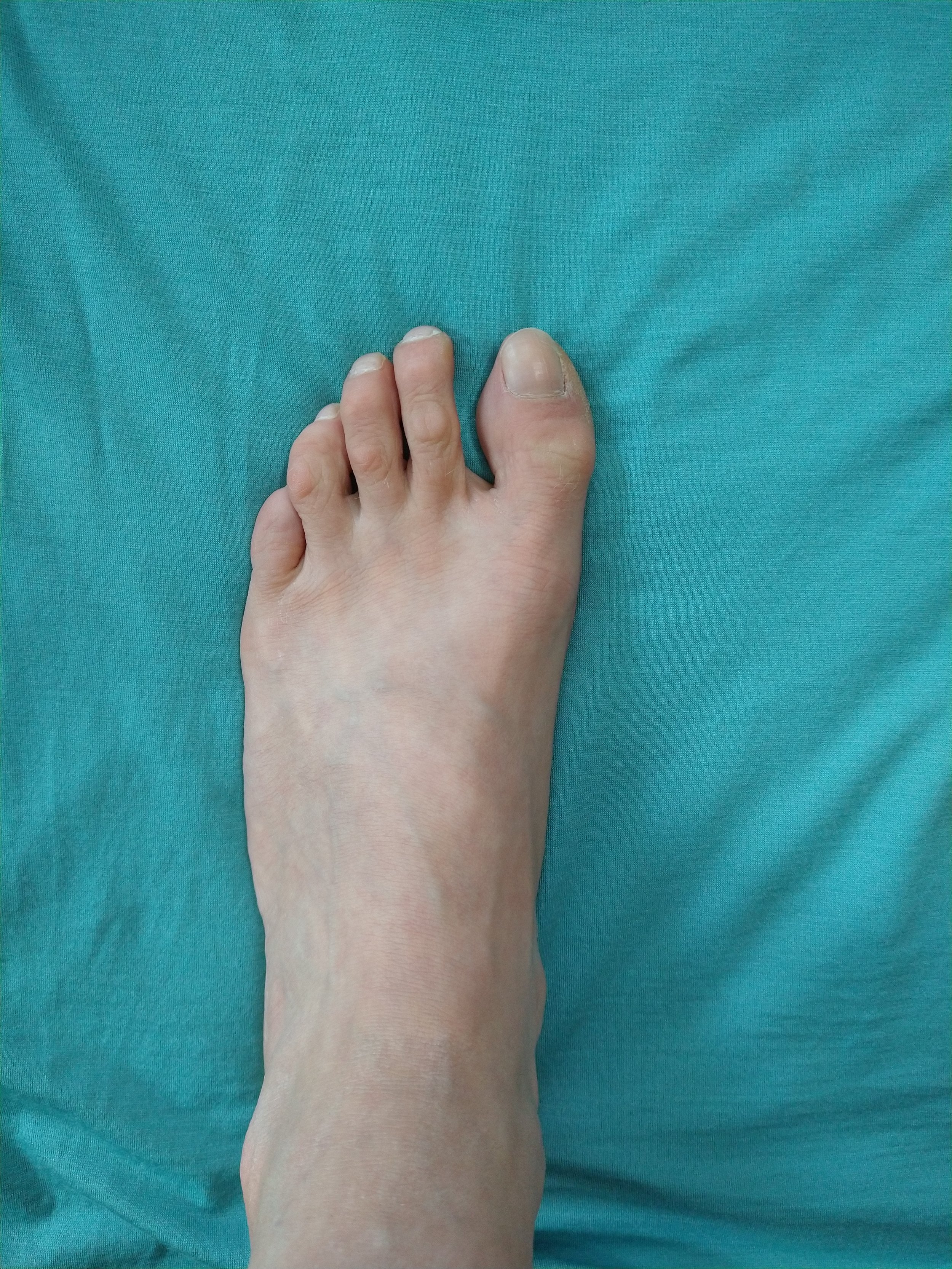
While I do have some spacing between all of my toes, the space between my big toe and second toe is the largest. Now, I have a second picture below of my foot with my toes scrunched, as would be worn in a tight fitting climbing shoe.
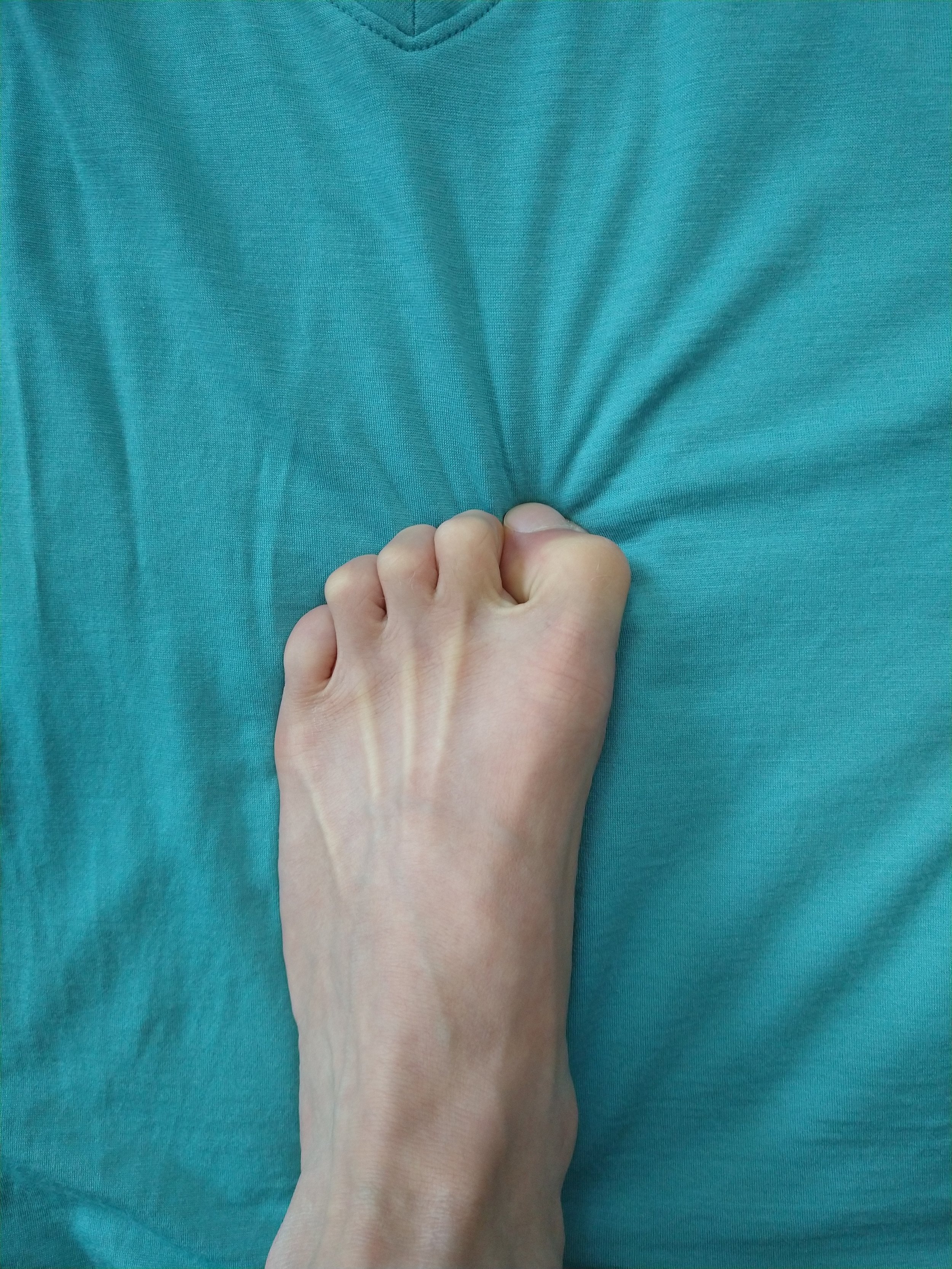
The space is mostly absent when my toes are curled, but it’s pretty large when my toes are not curled. If I size a climbing shoe to fit the perimeter dimensions of my foot, and I’m wearing it without my toes curled, the fit will always be sloppy because the large space between my big toe and second toe will enable lateral toe movement inside a climbing shoe. If I want to size climbing shoes less aggressively and still have some performance, I need to address this space.
I can think of 2 ways to address this space. The first is to wear shoes that compress my toes inward towards each other, like in the picture below. Two major drawbacks of fitting shoes this way are comfort and foot health. For some, it may not be comfortable to have their toes crammed together like this. Also, squeezing the toes together means the big toe and baby toe are out of alignment. This can contribute to or worsen the development of bunions.
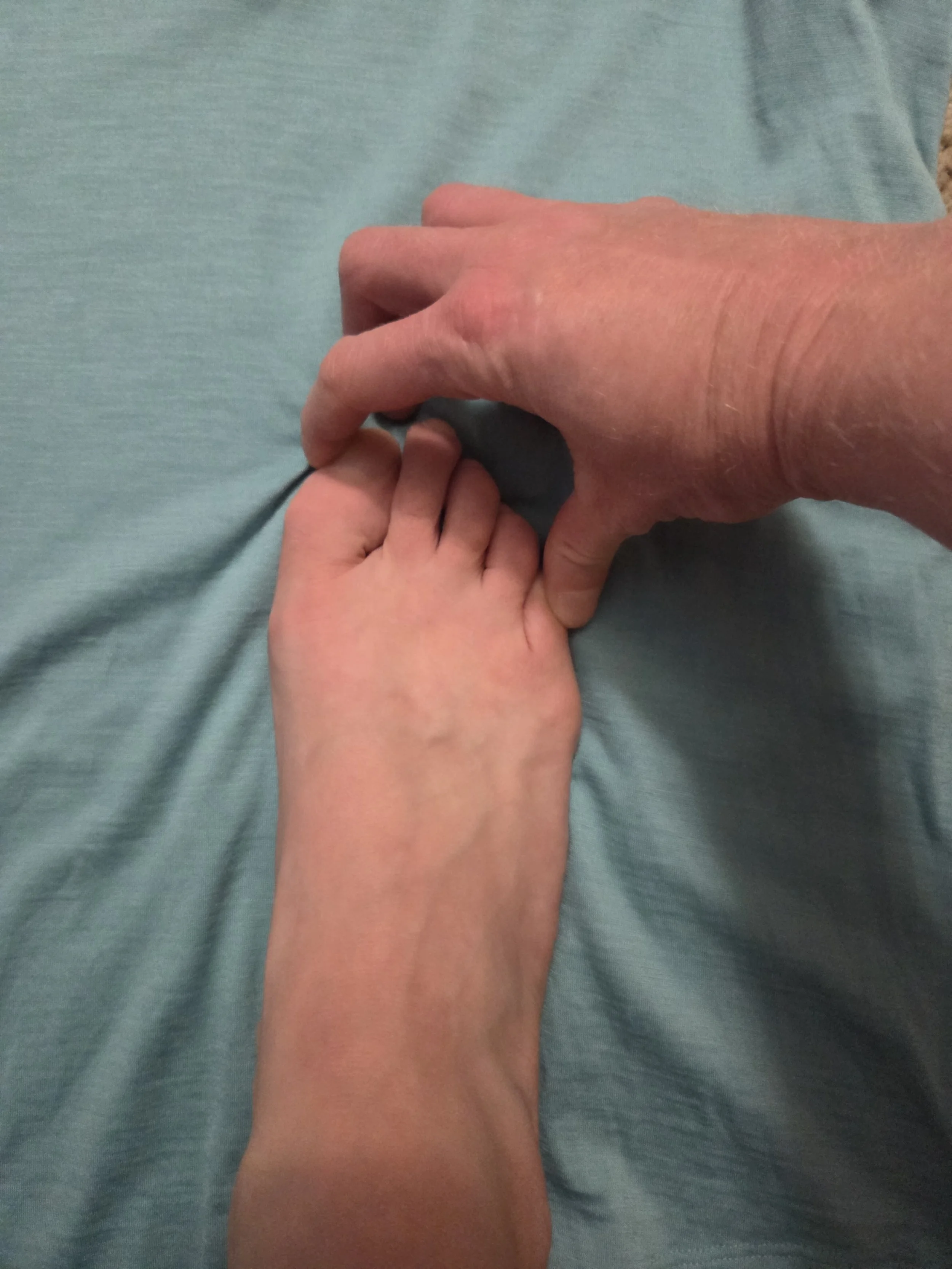
The second option to address the space is to fill it with something. This will keep the toes in better alignment, while also removing the space. The major drawback of this solution is comfort.
So, how would we go about filling this space? Having grown up as a dancer, I know there are solutions used in pointe shoes, and I was eager to try them out in climbing shoes to see if they made a difference. One of these is toe spacers. For pointe shoes, toe spacers are commonly worn to help prevent bunions and create proper alignment. There are different sizes and shapes of spacers, as seen below.
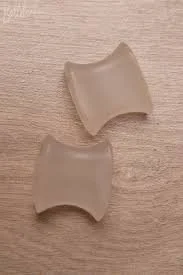
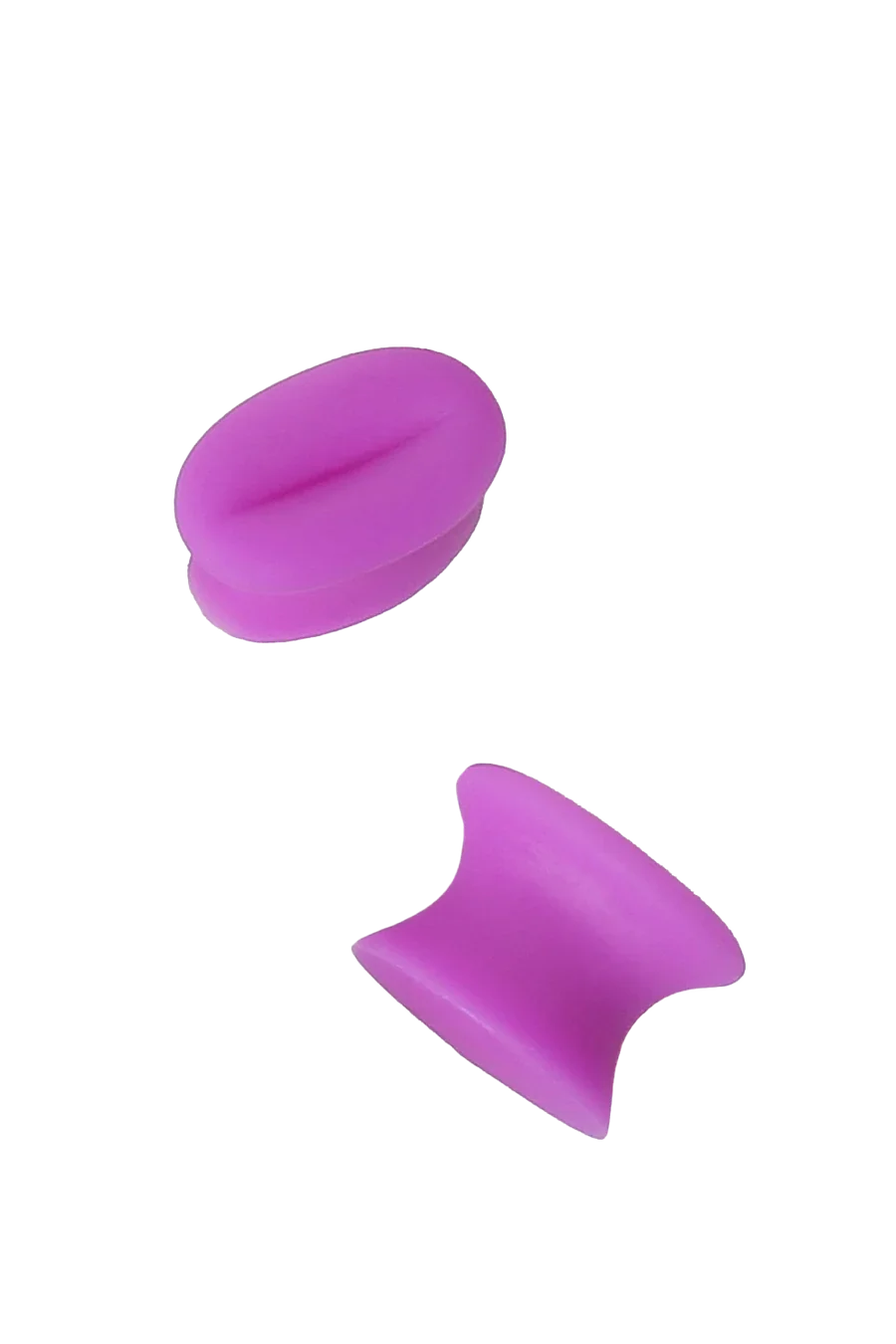
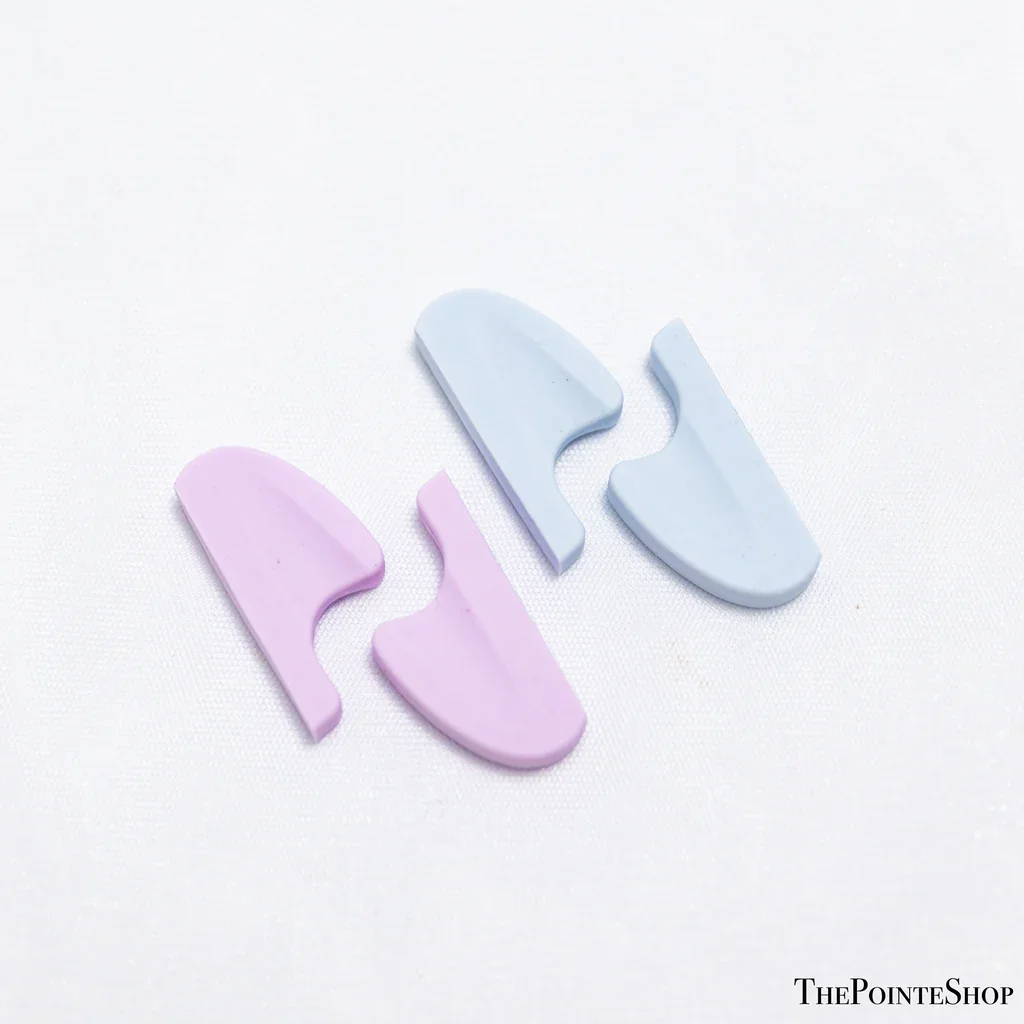
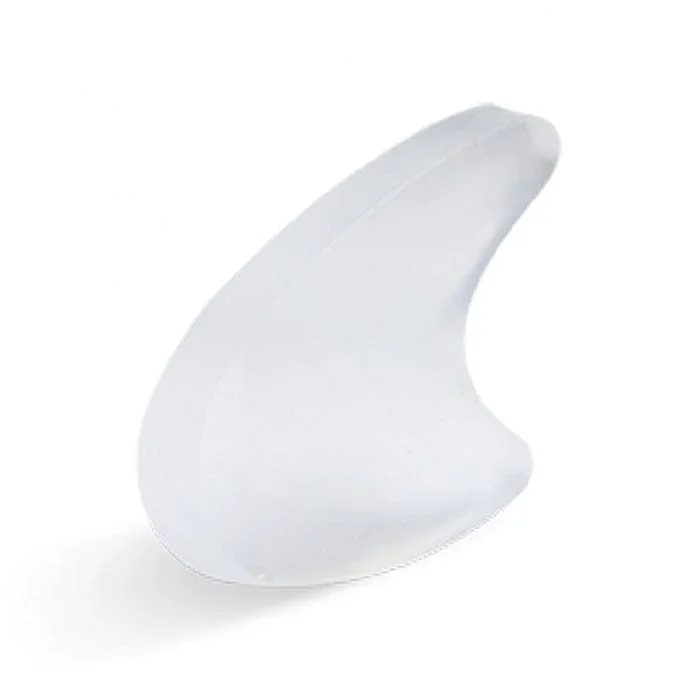
When fitting spacers for pointe shoes, you typically want something that fills the space as best as you can, and extends the length of the toes. However, fitting spacers for climbing shoes is different because you may have a little bit (or a lot) of toe curl. I have a picture of a hammer spacer below. You can see that this is fit to have a little bit of toe curl, and it fills the space well, though not perfectly.
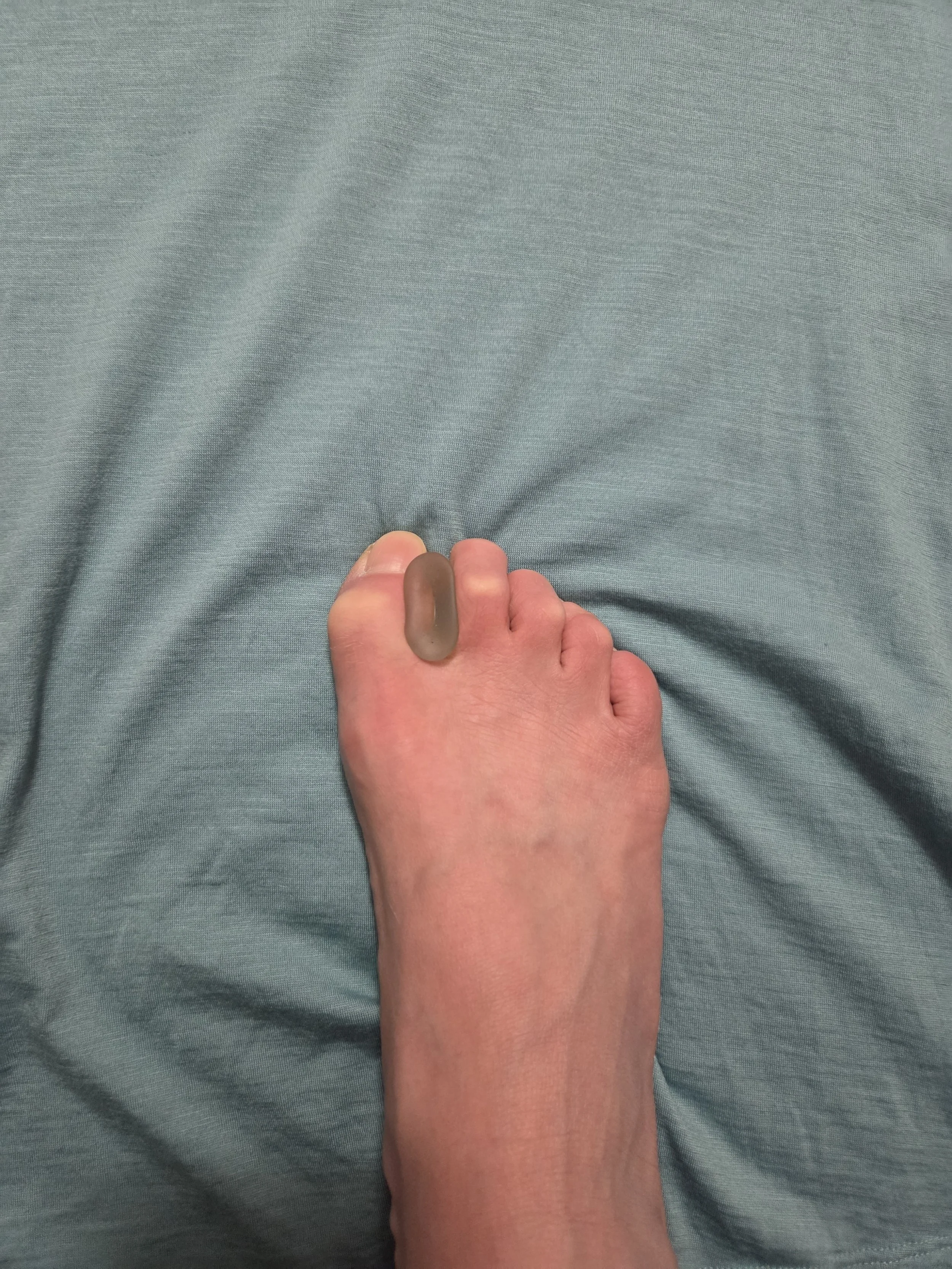
For me, I was surprised that I barely noticed the spacer in my shoes when climbing. For the first few moves, I could feel that it was there, but then I forget and it makes no negative impact on my climbing ability. In addition, I notice a major improvement in performance. I have less movement of my foot inside the shoe.
The only negative impact I have found is in shoes that were very old and broken in without the spacers, I did wind up with new pressure points. Of course, these will break in, but will take a little bit of time. Still, I have found that it’s easiest to incorporate spacers in shoes that are new or relatively new (at least for me).
Spacers come in different materials; some are silicone, others are foam. Silicone is very easy to wash, but ultimately the material you choose depends on comfort. I have also cut spacers down to fit in climbing shoes. The silicone can be tricky to cut, but it doesn’t need to be perfect to serve it’s purpose.
If you struggle with climbing shoe fit, and have a large space between any of your toes, it may be worth trying a spacer to see if it works for you. I have the spacer between my big toe and second toe, but they can go in between any or multiple of your toes. Dance stores sell spacers for pointe shoes, but you can also sometimes find spacers at stores that sell shoe accessories, or health related stores.
